

The Ultimate UK Guide to E-commerce Unboxing Experiences 2026

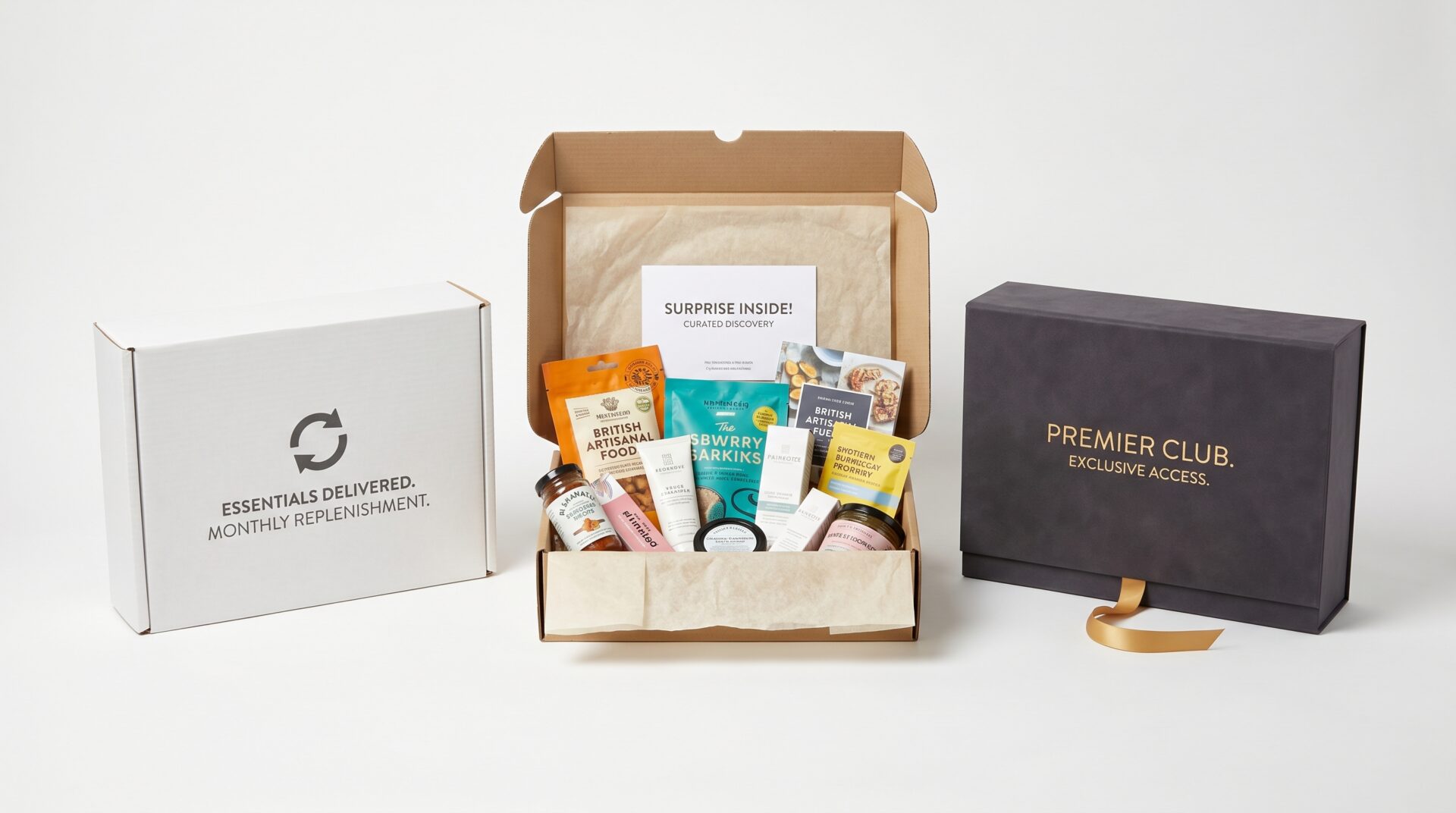
The unboxing experience has evolved from a functional necessity into one of e-commerce’s most powerful marketing channels. In 2026, UK online shoppers don’t just buy products; they buy the entire experience from the moment a package arrives at their door. Research from the British Retail Consortium shows that 78% of UK consumers share positive unboxing experiences with friends or on social media, while 67% say packaging quality influences repeat purchases.
This comprehensive guide reveals how to create unboxing experiences that transform first time buyers into loyal brand advocates. Drawing on insights from serving over 8,500 UK e-commerce businesses since 2008, we’ll explore the psychology behind memorable unboxing, compare packaging materials and formats, and provide actionable strategies proven to increase customer lifetime value.
This guide covers everything UK e-commerce brands need to know about packaging in 2026. For detailed sleeve box applications and boutique packaging solutions, see our Sleeve Boxes Packaging Guide.
Whether you’re launching your first Shopify store or scaling an established e-commerce brand, the unboxing strategies in this guide will help you compete effectively in the UK’s £120 billion online retail market. Best of all, creating premium unboxing experiences no longer requires massive budgets. At Wabs Print, we include custom shapes, windows, embossing, and foil stamping at no additional setup cost, making luxury packaging accessible to businesses of every size.
Table of Contents
- The Psychology of Unboxing Experiences
- White vs Kraft Mailer Boxes: Complete Comparison
- Custom Mailer Boxes: Design Essentials
- Internal Printing: The Hidden Marketing Channel
- Custom Tissue Paper and Inserts
- Premium Unboxing with Rigid Boxes
- Subscription Box Packaging Strategies
- Product-Specific E-commerce Packaging
- Designing for Social Media Sharing
- Sustainable Unboxing Experiences
- Cost Optimization Without Compromising Quality
- UK E-commerce Success Stories
1. The Psychology of Unboxing Experiences
Understanding why unboxing creates such powerful emotional responses helps you design packaging that maximizes psychological impact. Neuroscience research reveals that unboxing triggers multiple pleasure centers in the brain, creating memories far more vivid than simply using products.
The Anticipation Effect
The unboxing journey begins before customers even touch your package. Seeing a branded box on their doorstep triggers anticipation, a neurological state that releases dopamine. This “wanting” response actually generates more pleasure than the eventual “having” according to Stanford University research on consumer psychology.
Smart e-commerce brands extend this anticipation phase. Shipping notifications with tracking links keep customers engaged. Distinctive packaging that’s recognizable from across the room (think bright colours, unique shapes, or premium materials) intensifies excitement when packages arrive. UK fashion brands report that customers photograph packages on doorsteps 34% more frequently when using eye-catching custom mailer boxes versus generic brown cardboard.
The Ritual of Opening
Physical interaction with packaging creates what psychologists call “embodied cognition,” where touch influences perception and emotion. Premium materials feel more valuable. Magnetic closures provide satisfying clicks. Tissue paper rustles pleasantly. Each sensory element adds layers to the experience.
The most effective unboxing sequences follow a revealing structure: exterior packaging creates first impressions, opening mechanisms provide tactile satisfaction, internal elements (tissue paper, cards, stickers) extend the experience, and finally, the product reveal delivers the climax. This choreographed progression can last 30 to 90 seconds, during which customers form strong brand associations.
Research from the University of Sussex found that carefully designed unboxing sequences increase product satisfaction ratings by 23% to 37% even when products themselves remain identical. The packaging literally changes how customers perceive quality, value, and desirability.
Social Currency and Sharing
Instagram, TikTok, and YouTube have transformed unboxing from private moments into shareable content. UK consumers create over 4.2 million unboxing posts monthly, generating billions of impressions. This organic reach represents free advertising for brands that design packaging worth filming.
What makes packaging shareable? Visual coherence (consistent colour palettes, branded elements), surprise moments (unexpected gifts, creative inserts, hidden messages), photogenic arrangements (products displayed beautifully in packaging), and storytelling elements (founder notes, brand origin stories). Beauty and lifestyle categories see particularly high sharing rates, with 45% to 62% of customers photographing packaging before use.
The Endowment Effect
Premium packaging triggers the endowment effect, where people value things they own more highly than identical items they don’t own. Beautiful boxes customers want to keep create stronger ownership feelings than disposable packaging. This psychological phenomenon reduces return rates and increases satisfaction.
UK home fragrance brands using reusable rigid boxes report 18% lower return rates than brands using disposable packaging, despite selling identical products at identical prices. The packaging itself becomes part of the product value proposition, making customers more committed to their purchases.
Colour Psychology in E-commerce Packaging
Colour choices profoundly influence emotional responses and brand perception. White packaging communicates cleanliness, minimalism, and premium quality. Apple’s iconic white boxes established this association that now benefits thousands of brands. UK skincare and technology companies favour white for its pure, sophisticated aesthetic.
Kraft brown packaging signals eco-friendliness, authenticity, and handmade quality. The natural material appeals to environmentally conscious consumers while suggesting artisanal production. Food, natural cosmetics, and craft brands achieve 28% to 34% higher perceived sustainability ratings using kraft versus white packaging according to 2025 UK consumer research.
Black packaging implies luxury, exclusivity, and sophistication. Premium beauty brands, high-end fashion, and luxury goods use black to justify higher price points and create aspirational appeal. Pastel colours (blush pink, mint green, lavender) convey softness and femininity, popular with beauty and wellness brands targeting female demographics.
2. White vs Kraft Mailer Boxes: Complete Comparison
The choice between white and kraft mailer boxes fundamentally shapes your brand perception and unboxing experience. Understanding the strategic implications helps you select materials that align with brand positioning and customer expectations.
White Mailer Boxes: Premium and Versatile
White mailer boxes offer the cleanest canvas for vibrant printing. The bright surface makes colours pop, particularly important for photography-driven brands selling visually appealing products. Full-colour CMYK printing achieves exceptional results on white stock, reproducing gradients, photographs, and complex graphics with precision.
The material communicates premium positioning effectively. Customers unconsciously associate white packaging with higher quality and cleanliness, valuable for beauty, skincare, supplements, and technology products. UK consumer testing shows white packaging increases willingness to pay by 15% to 22% compared to kraft for identical products.
Practical advantages include better print visibility (even single-colour printing shows clearly on white backgrounds), photogenic qualities for social media (white provides neutral backgrounds that make products stand out), and versatility across industries (white works for virtually any product category).
Cost considerations favour white for complex designs. Since the base material is already white, you avoid printing large solid colour backgrounds that consume excessive ink. A design with extensive white space costs the same as a fully covered design, unlike kraft where covering natural brown requires heavy ink application.
Kraft Mailer Boxes: Authentic and Sustainable
Kraft packaging embraces natural aesthetics that resonate powerfully with eco-conscious consumers. The brown colour comes from unbleached wood pulp, requiring less processing than white paper. This environmental benefit translates to marketing advantages, as brands can legitimately claim reduced environmental impact.
The rustic appearance communicates authenticity and handmade quality. UK food producers, natural cosmetics brands, and craft businesses achieve strong brand alignment using kraft. The material creates expectations of artisanal production, small batch quality, and sustainable practices that match these categories perfectly.
Printing on kraft requires strategic colour selection. Dark inks (black, navy, forest green, burgundy) show beautifully against brown backgrounds. Metallic inks (gold, copper) create particularly striking effects on kraft. Light colours (pastels, pale blues, light pinks) disappear against brown stock, limiting design options.
Cost advantages emerge for simple designs. Single-colour printing on kraft often costs less than equivalent white boxes because you’re working with rather than against the natural material colour. However, achieving vibrant multi-colour results on kraft requires white underprinting, which increases expenses.
Performance Comparison Table
| Factor | White Mailer Boxes | Kraft Mailer Boxes |
|---|---|---|
| Print Quality | Excellent for all colours, vibrant results | Best with dark inks, requires planning |
| Brand Perception | Premium, clean, modern, sophisticated | Natural, authentic, eco-friendly, rustic |
| Sustainability Image | Neutral (requires messaging) | Strong inherent eco association |
| Photography | Clean background, products stand out | Warm tone, vintage aesthetic |
| Cost (Simple Design) | £0.38 to £0.65 per unit (500 qty) | £0.35 to £0.58 per unit (500 qty) |
| Best For | Beauty, tech, fashion, premium goods | Food, natural products, crafts, eco brands |
| Colour Options | All colours work beautifully | Dark colours optimal, light colours limited |
| Versatility | Works across all industries | Specific aesthetic, not universal |
Hybrid Approaches
Some brands successfully combine both materials strategically. A UK supplement company uses white boxes for premium product lines and kraft for budget-friendly options, clearly differentiating tiers. A skincare brand packages refills in kraft (emphasizing sustainability) while using white for full-size products (communicating premium quality).
Interior and exterior combinations create interesting effects. White exterior with kraft interior provides clean external aesthetics while adding sustainable messaging inside. Kraft exterior with white interior offers eco-friendly first impressions combined with excellent internal printing surfaces.
Making Your Decision
Choose white if: your brand emphasizes premium quality and modern aesthetics, you sell beauty, skincare, or technology products, your designs include photographs or complex graphics, you want maximum colour flexibility, or you target customers who value sophistication and cleanliness.
Choose kraft if: sustainability is central to your brand identity, you sell natural, organic, or handmade products, your aesthetic leans rustic or vintage, you use primarily dark colour printing, or your target market actively seeks eco-friendly packaging.
Many successful UK e-commerce brands test both options with small quantities (50 to 100 boxes each), gather customer feedback, and track social media engagement before committing to larger production runs. This evidence-based approach removes guesswork from material selection.
3. Custom Mailer Boxes: Design Essentials
Mailer boxes revolutionized e-commerce packaging by combining product packaging and shipping boxes into single solutions. Understanding design best practices ensures your mailer boxes deliver exceptional unboxing experiences while protecting products during transit.
Structural Design and Sizes
Mailer boxes use self-locking mechanisms that eliminate tape requirements, creating clean aesthetics customers appreciate. The most common closure styles include crash lock bases (fold and lock for quick assembly), tuck-in flaps (simple and cost-effective), and auto-lock bases (snap together automatically, fastest assembly).
Right-sizing packaging to products maximizes efficiency and minimizes waste. Measure your product dimensions including any internal padding, add 10mm to 15mm clearance on all sides for easy packing, and round up to the nearest standard size when possible to avoid custom die costs. However, at Wabs Print, custom sizes cost the same as standard sizes since we include die-cutting at no setup charge.
Popular UK e-commerce sizes include small (180mm x 120mm x 60mm) for jewelry, cosmetics, and small accessories, medium (230mm x 160mm x 75mm) for clothing, books, and beauty products, large (305mm x 220mm x 110mm) for shoes, homeware, and multiple-item orders, and extra large (380mm x 285mm x 100mm) for bulky items or gift sets.
External Design Strategies
External printing makes crucial first impressions when packages arrive. Bold branding ensures recognition from across rooms. Your logo should appear prominently, typically on the top panel and at least one side panel. UK research shows packages with visible branding are 67% more likely to be photographed and shared on social media.
Colour psychology applies powerfully to mailer boxes. Monochromatic schemes create sophisticated minimalism, two-colour designs balance impact with cost efficiency, and full-colour printing enables photographs and complex graphics. Remember that vibrant colours photograph better for social sharing, driving organic marketing.
Texture adds perceived value. Matte lamination feels more premium than gloss and resists fingerprints better. Soft-touch lamination (available at no extra cost from Wabs Print) creates luxurious velvety textures that customers love to touch and photograph. Even subtle texture elevates perceived quality dramatically.
Window Cutouts and Visual Interest
Window cutouts serve dual purposes: allowing customers to glimpse products before fully opening packages and creating visual interest that distinguishes your packaging. Die-cut windows work beautifully for products with attractive packaging themselves or items customers want to verify before opening.
Window placement requires strategic thinking. Top panel windows reveal products immediately when boxes open. Side panel windows work well for retail shelf display if you also sell in physical stores. Multiple windows create intricate patterns that photograph beautifully, though they may reduce structural strength slightly.
At Wabs Print, custom window shapes cost nothing extra. We create hearts, circles, your logo outline, or any custom shape without die-cutting fees. This design freedom lets you create distinctive packaging that competitors using standard suppliers cannot match at comparable budgets.
Printing Considerations
Understanding printing zones helps you design effectively. Full bleed printing covers the entire box surface including fold lines, creating seamless aesthetics. Edge-to-edge graphics require 3mm bleed to ensure no white edges appear after cutting. Safe zones keep crucial text and logos at least 5mm from fold lines and edges to prevent cutting or folding issues.
Barcode placement matters for retail and inventory management. Position barcodes on bottom panels where they remain visible but don’t dominate aesthetics. QR codes linking to product information, social media, or loyalty programs work well on interior panels where customers discover them during unboxing.
4. Internal Printing: The Hidden Marketing Channel
While external packaging creates first impressions, internal printing delivers messages when customers are most engaged and receptive. The inside of your packaging represents prime real estate for building relationships and driving specific actions.
The Power of Inside-the-Box Marketing
Internal printing catches customers at peak engagement moments. They’ve committed to your brand by making purchases, they’re experiencing dopamine releases from unboxing anticipation, and they have your products literally in hand. This psychological state makes them highly receptive to messaging that would be ignored in other contexts.
UK e-commerce brands using internal printing report 34% higher review submission rates, 28% more social media follows, and 23% increased repeat purchase rates compared to brands using plain interiors. The modest additional cost (typically £0.08 to £0.15 per box) delivers remarkable returns when leveraged strategically.
Thank You Messages and Brand Storytelling
Personal thank you messages build emotional connections that transactional packaging cannot. Simple phrases like “Thank you for supporting our small business” or “We hope you love this as much as we loved creating it” humanize brands and trigger reciprocity instincts. Customers who feel appreciated become more loyal.
Brand origin stories create deeper connections. A UK candle company prints their founder’s journey on interior panels: “I started making candles in my kitchen in 2019 after struggling to find sustainable home fragrance.” This narrative transformed them from another candle seller into a relatable small business worth supporting.
Product care instructions inside packaging reduce returns and support tickets. Beauty brands print usage tips, clothing companies include wash care symbols, and food producers add recipe ideas. This proactive information delivery improves customer satisfaction while reducing support costs.
Social Media Prompts
Explicit asks for social media engagement work surprisingly well inside packaging. Messages like “Share your unboxing! Tag us @yourbrand for a chance to be featured” generate 3x to 5x more posts than hoping for organic sharing. Include your Instagram handle, TikTok username, and branded hashtag for maximum discoverability.
Photo opportunities encourage sharing. A UK jewelry brand prints “The perfect unboxing photo: Place this box on a white surface, position our pouch in the center, add your coffee mug and a plant. Tag #YourBrandMoment” These specific instructions remove barriers to sharing, resulting in hundreds of nearly identical but brand-perfect posts monthly.
Discount Codes and Loyalty Programs
Next purchase incentives printed inside packaging drive repeats. Codes like “THANKYOU10” for 10% off next orders convert 18% to 24% of first-time buyers into repeat customers within 60 days. The key is making codes feel exclusive and time-limited (valid for 30 days) to encourage quick reordering.
Referral programs leverage satisfied customers as acquisition channels. “Love your purchase? Give friends 15% off and earn £10 credit when they order” transforms customers into brand ambassadors. UK subscription box services using referral messaging inside packaging acquire 25% to 35% of new subscribers through this channel.
Sustainability Messaging
Disposal instructions reduce landfill waste and demonstrate environmental responsibility. Clear recycling icons and text like “This box is 100% recyclable. Break down flat and place in paper recycling” ensure proper disposal. Including carbon footprint information or trees planted per order purchased builds goodwill with eco-conscious customers.
A London-based activewear brand prints their sustainability metrics inside mailer boxes: “This packaging contains 95% recycled content and saved 450g CO2 compared to virgin materials.” These specific numbers resonate more powerfully than vague sustainability claims, increasing brand preference among environmentally motivated buyers.
5. Custom Tissue Paper and Inserts
Tissue paper and inserts transform adequate unboxing into memorable experiences through layering, surprise elements, and sensory variety. These relatively inexpensive additions dramatically enhance perceived value.
The Psychology of Tissue Paper
Tissue paper creates anticipation through concealment. Customers must unwrap products, adding steps that extend unboxing duration and build excitement. The rustling sound and tactile qualities of tissue paper engage multiple senses simultaneously, deepening the experience.
The gift association is powerful. UK consumer research shows tissue paper increases gift-worthiness perception by 47% to 58%. Products wrapped in tissue feel like presents even when customers bought them for themselves. This psychological effect is particularly valuable for brands encouraging gifting or self-gifting behaviors.
Custom Printed vs Plain Tissue
Custom printed tissue paper extends branding into every layer of unboxing. Options range from subtle (logo watermarks in single colours) to bold (full-colour patterns covering entire sheets). UK brands typically print logos, brand patterns, or messaging like “You deserve this” or “Made with love in the UK.”
Plain tissue in brand colours offers middle-ground solutions. White tissue communicates luxury and cleanliness, kraft tissue reinforces sustainability messaging, and coloured tissue (blush pink, navy, mint green) builds brand recognition without printing costs. A Birmingham beauty brand uses blush pink tissue consistently, creating instant brand recognition when customers open packages.
Cost considerations affect decisions. Plain tissue costs £0.03 to £0.08 per sheet depending on quality and quantity. Custom printed tissue runs £0.12 to £0.25 per sheet for small runs, dropping to £0.08 to £0.15 for quantities over 5,000 sheets. Many startups begin with branded stickers on plain tissue before graduating to custom printing.
Layering Strategies
Strategic tissue layering controls reveal sequences. First layer tissue obscures products completely, building anticipation. Middle layers add colour or texture variations. Final layers directly contact products, requiring clean, undamaged sheets. Some brands use three to five tissue layers for luxury products, though two layers typically suffice for most e-commerce applications.
Colour combinations create visual impact. Monochromatic layering (multiple shades of one colour) appears sophisticated. Complementary colours (navy and gold, pink and grey) create dynamic contrasts. UK homeware brands often match tissue colours to seasonal campaigns, using festive combinations during holidays.
Thank You Cards and Inserts
Physical cards inside packaging feel personal in digital-first retail environments. Handwritten-style fonts, founder signatures, and personal messages create connections emails cannot match. Cards should be substantial (300gsm to 400gsm card stock) to feel valuable rather than disposable.
Information cards serve practical purposes while building brand affinity. Product care instructions, ingredient explanations, brand story cards, and styling suggestions add value customers appreciate. A Leeds-based jewelry company includes cards showing three ways to wear each piece, driving 28% higher satisfaction scores than competitors without styling guidance.
Promotional inserts drive specific actions. Discount cards for next purchases, referral program explanations, social media follow prompts, and review request cards all convert more effectively as physical inserts than digital communications. The tangible nature makes them harder to ignore than emails that disappear into inboxes.
Stickers and Small Touches
Branded stickers serve multiple purposes: sealing tissue paper wrapping, decorating plain packaging, and functioning as gifts customers apply to laptops, water bottles, and phones. UK consumers under 35 actively collect stickers from favorite brands, making them valuable brand ambassadors.
Samples and small gifts create delightful surprises. Beauty brands include product samples encouraging future purchases. Food companies add recipe cards or small ingredient packets. The cost per unit (typically £0.15 to £0.40) generates goodwill worth far more through increased loyalty and word of mouth recommendations.
6. Premium Unboxing with Rigid Boxes
When price points justify investment in ultimate luxury packaging, rigid boxes deliver unmatched premium experiences. The finishing techniques you choose directly impact unboxing satisfaction. Luxury packaging finishes create the psychological and tactile effects that customers photograph and share on social media, extending your brand exposure far beyond the initial purchase.Understanding when and how to use rigid boxes helps position high-value products appropriately.
When Rigid Boxes Make Sense
Product value thresholds guide rigid box decisions. Items retailing over £50 often benefit from rigid packaging that reinforces premium pricing. Luxury categories including jewelry, watches, high-end cosmetics, premium skincare, designer accessories, and corporate gifts almost always use rigid boxes to match customer expectations.
Gift positioning products see particularly strong returns from rigid box investment. Packaging customers want to keep and reuse extends brand exposure long after purchases. A Manchester-based fragrance brand reports customers reuse their rigid boxes for average 18 months, keeping logos visible on bedroom dressers and bathroom counters.
Rigid Box Construction and Styles
Rigid boxes use thick chipboard (1200gsm to 2000gsm) wrapped in printed paper, creating substantial weight and luxury feel impossible with folding cartons. Common constructions include lid and base boxes (two-piece design, classic elegance), magnetic closure boxes (satisfying snap-shut mechanism), book-style boxes (hinged lid creates jewelry box aesthetic), and drawer boxes (sliding inner tray, sophisticated mechanism).
Each style communicates different brand values. Magnetic closures feel modern and luxurious, attracting premium beauty and tech brands. Book-style boxes suggest heritage and craftsmanship, favored by traditional luxury brands. Drawer boxes offer playful discovery elements while maintaining sophisticated aesthetics.
Interior Customization
Custom foam inserts cradle products perfectly, preventing movement during shipping while creating professional presentation. Die-cut foam molds to exact product shapes, luxury brands often use black or colored foam contrasting with products, and layered foam accommodates multiple components separately.
Velvet or satin linings add extraordinary tactile luxury. Soft linings protect delicate items while feeling expensive to touch. UK jewelry brands report customers specifically mention box linings in reviews, indicating these details register consciously and influence satisfaction.
Ribbon pulls, branded sleeves, and certification cards elevate unboxing further. Each element extends the opening sequence, building anticipation. Some luxury brands engineer two-to-three-minute unboxing experiences through careful layering of protective elements, revelation moments, and discovery.
Rigid Box Costs and ROI
Rigid boxes cost significantly more than folding cartons, typically £2.40 to £8.50 per unit depending on size, finishes, and quantities. However, the psychological impact justifies costs for appropriate products. Consumer testing shows rigid boxes increase perceived product value by 35% to 65% compared to identical products in standard packaging.
This perception gap enables higher pricing. A skincare serum in a rigid box can command £48 while the same product in a folding carton might sell for £32. The £16 price premium easily covers the £3.50 packaging cost difference while increasing profitability.
Rigid Boxes for Subscription Services
Monthly subscription boxes increasingly use rigid construction for premium tiers. The reusable boxes become collectible, with customers displaying previous months’ boxes as proof of long-term subscriptions. This visible commitment increases retention as customers feel invested in continuing collections.
A UK beauty subscription service offers standard tier in custom subscription boxes (£15/month) and premium tier in rigid boxes (£35/month). The rigid packaging costs an additional £2.80 per box but justifies the £20 higher price point through superior perceived value and contents protection.
E-commerce Packaging Cost Comparison
| Packaging Type | Cost Per Unit (500 qty) | Best Product Category | Unboxing Impact |
|---|---|---|---|
| Plain Mailer Box | £0.28 to £0.42 | Budget products, samples | Basic protection only |
| Custom Printed Mailer | £0.52 to £0.68 | Most e-commerce products | Good branded experience |
| Mailer + Tissue + Card | £0.75 to £0.95 | Premium e-commerce | Excellent gift-worthy feel |
| Premium Folding Carton | £0.85 to £1.45 | Beauty, cosmetics, retail | Professional presentation |
| Rigid Box (Basic) | £2.40 to £3.80 | Jewelry, gifts, luxury items | High-end luxury experience |
| Rigid Box (Premium) | £5.20 to £8.50 | Ultra-luxury, corporate gifts | Ultimate premium perception |
7. Subscription Box Packaging Strategies
Subscription boxes face unique packaging challenges. They must excite customers monthly, protect varied contents, and justify ongoing subscription costs through consistent quality. Successful subscription packaging balances cost efficiency with premium feel across repeated deliveries.
Monthly Variation vs Brand Consistency
The tension between novelty and recognition shapes subscription box design. Customers crave surprise and discovery with each delivery but also want instant brand recognition when packages arrive. The solution involves consistent structural formats with variable visual elements.
A UK beauty subscription maintains constant box sizes and closure mechanisms but changes color themes monthly. January features winter whites and silvers, February showcases Valentine’s pinks and reds, March celebrates spring pastels. This approach balances familiarity with freshness, keeping deliveries exciting without confusing brand identity.
Seasonal variations work particularly well. Quarterly design updates (spring, summer, autumn, winter) feel frequent enough to maintain interest while allowing longer production runs that reduce per-unit costs. Production runs of 3,000 to 5,000 boxes achieve better pricing than monthly changes requiring 1,000-unit batches.
Multi-Product Protection
Subscription boxes typically contain multiple items requiring organization and protection. Internal dividers prevent products from shifting and colliding during shipping. Options include cardboard inserts (cost-effective, customizable), molded pulp (sustainable, protective), and foam inserts (maximum protection, higher cost).
Product layering creates discovery moments. Top layers reveal lighter items first, middle layers hold main products, and bottom layers conceal surprise elements or samples. This vertical reveal structure extends unboxing experiences and builds anticipation with each layer.
A Manchester food subscription boxes gourmet ingredients in three layers: artisan chocolate and coffee on top (beautiful presentation), main ingredients in the middle (jars, packets, bottles), and recipe cards plus surprise samples on the bottom (delightful discoveries). This structure creates five to eight minute unboxing experiences customers often film and share.
Cost Management for Recurring Deliveries
Monthly packaging costs compound quickly. A subscription charging £25 monthly cannot justify £5 packaging costs. Most successful UK subscription services allocate 8% to 12% of subscription price to packaging (£2 to £3 for a £25 box).
Volume commitments with suppliers secure better pricing. Committing to 12,000 boxes annually (1,000 monthly for 12 months) unlocks better rates than ordering monthly with no commitment. However, this requires confidence in subscription retention and cash flow to fund inventory.
Reusable elements reduce recurring costs. A base box customers keep could receive monthly refreshes via printed sleeves or bands. The initial box might cost £3.20, but monthly sleeves cost only £0.45, reducing average monthly packaging expense significantly over multi-month subscriptions.
Retention Through Packaging
Subscription packaging directly impacts retention rates. Premium packaging makes canceling feel like losing something valuable. Customers who display previous months’ boxes feel invested in continuing collections. UK subscription boxes with collectible packaging elements report 15% to 22% higher 6-month retention than services using disposable packaging.
Limited edition boxes for anniversaries, holidays, or milestones create excitement that reduces churn. A three-month anniversary box in special packaging acknowledges subscriber loyalty, encouraging continued commitment. These occasional investments in premium packaging pay dividends through improved retention worth far more than packaging costs.
8. Product-Specific E-commerce Packaging
Different product categories require tailored packaging approaches. Understanding category-specific requirements ensures packaging protects products while meeting customer expectations.
Apparel and Fashion E-commerce
Clothing requires wrinkle prevention and brand expression simultaneously. Mailer boxes work beautifully for folded garments, protecting items while creating premium unboxing. Tissue paper wrapping inside boxes prevents wrinkles and adds luxury feel.
Poly mailers remain common for budget fashion but increasingly face sustainability criticism. Savvy brands switched to paper-based alternatives, gaining environmental credibility while maintaining cost efficiency. A London streetwear brand reported 34% increase in repeat purchases after switching from plastic to branded paper mailers.
Packaging as garment bags extends functionality. Some UK fashion brands use boxes designed to hang in closets after opening, becoming permanent wardrobe organization while keeping logos visible. This approach transforms packaging from waste into lasting brand touchpoints.
Beauty and Cosmetics
Fragile glass bottles and jars demand protective packaging. Rigid boxes with foam inserts provide maximum protection for premium products. Mid-range beauty brands often use sturdy folding cartons with internal supports preventing movement.
The “Instagram test” guides beauty packaging design. If customers wouldn’t photograph your packaging beside products, it fails modern beauty marketing requirements. Successful beauty brands design packaging specifically for flat-lay photography, considering color palettes, surface textures, and negative space.
Sample inclusion drives future purchases. Beauty customers expect samples with orders, making internal space planning crucial. Dedicated sample compartments or small pouches tucked into packaging deliver expected extras without creating chaotic presentation.
Food and Beverage E-commerce
Food safety regulations mandate food-grade packaging materials for direct food contact. Beyond compliance, temperature stability, grease resistance, and moisture barriers protect products during shipping. Specialty coatings handle condensation from refrigerated items or oils from certain foods.
Freshness communication reduces perceived risk in online food shopping. Including production dates, best-before information, and freshness guarantees inside packaging builds confidence. A Yorkshire bakery prints “Baked fresh today: [date]” inside boxes, reassuring customers about product quality.
Reusable packaging creates ongoing value. Attractive boxes customers repurpose for food storage or gift giving justify higher packaging costs. A Scottish shortbread company uses tins customers reuse for years, achieving extraordinary brand longevity through practical packaging.
Jewelry and Accessories
Small, high-value items require security and luxury simultaneously. Rigid boxes with precisely fitted interiors prevent loss while communicating value appropriate to price points. Velvet linings protect delicate items while feeling extraordinarily luxurious.
Gift-readiness is essential as jewelry purchases often become gifts. Packaging that looks gift-appropriate without additional wrapping saves customers effort while ensuring consistent brand presentation. UK jewelry brands report 62% to 71% of purchases are gifts, making gift-worthy packaging critical.
Stackable, storable boxes encourage collection building. Customers who save packaging from previous purchases feel invested in brands and continue adding to collections. This psychological investment reduces price sensitivity and increases lifetime value.
Home and Living Products
Diverse shapes and sizes create packaging challenges in homeware categories. Modular box systems accommodating different product dimensions reduce inventory complexity. Custom cardboard boxes tailored to each SKU ensure perfect fits without excessive void fill.
Assembly instructions for furniture or complex items require clear communication. Including visual guides inside packaging reduces support requests and improves customer satisfaction. A Bristol furniture brand includes illustrated assembly comics that customers share on social media, generating organic marketing.
Electronics and Technology
Static protection and shock absorption are non-negotiable for electronics. Anti-static bags inside boxes protect sensitive components. Molded pulp or foam inserts prevent movement that could cause damage. Despite functional requirements, technology packaging still creates unboxing experiences rivaling any category.
Apple set industry standards for technology unboxing, proving functional products benefit from experiential packaging. UK technology startups often reference Apple’s packaging choreography: outer sleeve slides off revealing product positioned perfectly, accessories layer beneath in organized compartments, and minimal text lets design speak.
9. Designing for Social Media Sharing
Social media transformed unboxing from private moments into public brand building opportunities. Designing packaging that customers want to photograph and share multiplies marketing reach exponentially.
The Instagram Aesthetic
Instagram unboxing content thrives on distinctive visual and tactile finishes. Strategic use of foil stamping, spot UV, and embossing creates depth that photographs beautifully and encourages sharing across platforms. Instagram’s visual nature makes it the primary unboxing platform for UK consumers under 45. Successful Instagram packaging follows specific visual principles: clean negative space (areas without text or graphics), cohesive color palettes (two to four colors maximum), strong brand elements (recognizable even in thumbnails), and photogenic textures (matte finishes photograph better than glossy).
Flat-lay photography dominates beauty, fashion, and lifestyle categories. Packaging designed to look beautiful when arranged on flat surfaces alongside products performs best. Consider how your boxes look from above when customers create styled photos with coffee cups, plants, and other Instagram props.
TikTok Unboxing Trends
TikTok’s video format emphasizes motion and sound. Packaging that creates satisfying sounds (magnetic closures clicking, tissue paper rustling) and visual reveals (products emerging from layers) performs exceptionally well. UK brands targeting Gen Z customers design specifically for TikTok’s 15 to 60 second video format.
ASMR (Autonomous Sensory Meridian Response) unboxing videos focus entirely on sounds and tactile experiences. Brands intentionally choosing materials with pleasing acoustic properties (crisp tissue paper, satisfying closure clicks) tap into this trend. A London skincare brand designs packaging specifically for ASMR appeal, generating millions of video views monthly.
YouTube Unboxing Culture
YouTube unboxing videos can last five to fifteen minutes, allowing deeper exploration than Instagram or TikTok. Packaging with discovery layers, hidden messages, or multiple components works beautifully for YouTube’s longer format. Some brands include QR codes inside packaging linking to exclusive YouTube content, creating connections between physical and digital experiences.
Encouraging User Generated Content
Explicit prompts increase sharing rates dramatically. Messages like “Share your unboxing! Tag @yourbrand #YourBrandUnboxing” provide clear direction. Including your handles and hashtags inside packaging ensures customers include them when posting.
Contests and features incentivize sharing. “Tag us for a chance to be featured on our page” or “Best unboxing photo wins £50 store credit” generate hundreds of submissions. A Birmingham candle company features customer unboxing photos on their Instagram weekly, driving 340% more tagged posts than before implementing the program.
Packaging as Photography Prop
Beautiful packaging serves as product photography backdrop. Customers photograph products inside boxes rather than removing them, meaning your packaging appears in organic product photos indefinitely. This free advertising compounds over time as customers reshare photos or use them in their own content.
Color coordination enables styled photography. Packaging colors matching or complementing products create cohesive visuals customers love. A UK tea company uses boxes in colors matching tea varieties (green box for green tea, pink for rose tea), creating Instagram-perfect color stories.
10. Sustainable Unboxing Experiences
Sustainability and premium unboxing experiences are not mutually exclusive. Forward-thinking UK brands prove environmental responsibility enhances rather than compromises customer experiences.
The Business Case for Sustainable Packaging
UK consumer research consistently shows strong sustainability preferences. A 2025 study found 89% of British consumers prefer brands using eco-friendly packaging, 76% actively avoid excessive plastic packaging, and 67% pay premium prices for demonstrably sustainable products. These preferences create competitive advantages for brands embracing sustainability.
Younger consumers particularly value environmental responsibility. Among UK shoppers under 35, 82% consider packaging sustainability when choosing between similar products. Gen Z consumers frequently cite packaging as a primary factor in brand loyalty decisions.
Recyclable and Biodegradable Materials
Cardboard packaging enjoys near-universal recyclability across the UK. All 326 local authorities accept cardboard in kerbside recycling, achieving 81% recycling rates. This infrastructure makes cardboard the most sustainable mainstream packaging material currently available.
Biodegradability adds environmental benefits beyond recycling. Uncoated cardboard biodegrades within two to three months in commercial composting. Even laminated boxes biodegrade within six to twelve months, far superior to plastic alternatives requiring centuries.
Bio-based alternatives to plastic components emerge constantly. PLA (polylactic acid) windows derived from corn starch provide transparency without petroleum-based plastics. Water-based adhesives replace chemical glues. These innovations allow completely compostable packaging for brands willing to invest in cutting-edge materials.
Minimalism and Right-Sizing
The most sustainable packaging is minimum packaging required. Right-sizing boxes to products eliminates void fill, reduces shipping volumes, and minimizes material waste. A switch from oversized to fitted postal boxes reduced one UK brand’s packaging material consumption by 38% while improving unboxing aesthetics.
Minimalist design philosophies align sustainability with contemporary aesthetics. Simple graphics, limited color palettes, and clean layouts reduce ink consumption while appearing sophisticated and modern. This aesthetic particularly appeals to younger, environmentally conscious consumers.
Reusable Packaging Models
Packaging customers want to keep reduces waste while extending brand exposure. Beautiful boxes reused for storage, organization, or gift giving remain in homes for months or years, keeping logos visible far longer than recyclable packaging.
Some innovative UK brands experiment with return-and-reuse systems. Customers send packaging back for discounts or credits, brands clean and refill boxes for future orders. While logistically complex, these circular models create extraordinary environmental credentials and customer engagement.
Transparent Sustainability Communication
Specific environmental claims resonate more powerfully than vague sustainability statements. “Made from 95% recycled content” outperforms “eco-friendly packaging.” “Saves 450g CO2 vs virgin materials” provides concrete impact data. Including these specifics inside packaging educates customers while building brand trust.
Recycling instructions ensure proper disposal. Clear icons and text like “100% recyclable. Break down flat and place in paper recycling” increase recycling rates. Many consumers want to recycle correctly but lack confidence about specific materials, making clear guidance valuable.
11. Cost Optimization Without Compromising Quality
Premium unboxing experiences need not break budgets. Strategic decisions maximize perceived value while controlling costs, making luxury packaging accessible to businesses at every scale.
The Wabs Print Advantage: No Hidden Costs
Traditional packaging suppliers charge setup fees for custom shapes (£85 to £350), die-cutting tools (£75 to £250), foil stamping dies (£95 to £280), embossing plates (£150 to £350), and window cutouts (£65 to £150). These charges accumulate quickly, adding £400 to £1,200+ to initial orders before printing a single box.
At Wabs Print, we include all customization at no setup cost. Custom shapes, windows, embossing, foil stamping, and specialized finishes carry no additional tooling fees. This pricing structure makes premium packaging features accessible to startups and small businesses previously priced out of luxury packaging markets.
The financial impact is substantial. A startup ordering 250 custom-shaped boxes with window cutouts and embossed logos might face £850 in setup fees elsewhere. With Wabs Print, they pay only for the boxes themselves, saving £850 on initial orders. These savings let small businesses compete with established brands on packaging quality.
Smart Design Decisions
Selective use of premium finishes controls costs while maintaining impact. Instead of soft-touch lamination across entire boxes (expensive), apply it only to logos or specific panels (affordable). Spot UV on a small logo creates luxury feel at fraction of full-box treatment cost.
Strategic color choices affect pricing. Single-colour printing costs significantly less than four-colour CMYK. Brands with simple, strong logos often achieve striking results with one or two colors rather than full-color printing. A Sheffield coffee roaster uses black ink on kraft kraft boxes, creating beautiful minimalist packaging at budget-friendly prices.
Quantity Planning and Reordering
Volume pricing creates dramatic per-unit cost differences. Boxes costing £0.85 at 100 units might drop to £0.52 at 500 units and £0.35 at 1,000 units. Planning orders to reach pricing breakpoints maximizes value.
However, overordering creates risks. Products change, designs evolve, and excess inventory ties up cash flow. The optimal strategy balances volume discounts against inventory risk. Many UK brands order three to six months’ projected inventory, reordering before depletion to maintain consistent supply without excessive storage.
Design consistency across reorders eliminates setup costs. Since Wabs Print stores artwork and specifications for 24 months, reorders simply require confirming quantities. This continuity reduces costs while building brand recognition through consistent packaging.
Tissue Paper and Insert Alternatives
Custom printed tissue costs £0.12 to £0.25 per sheet. Plain tissue with branded stickers achieves similar effects at £0.05 to £0.10 total cost. A Liverpool jewelry brand uses white tissue sealed with custom rose gold stickers (£0.02 each), creating beautiful presentation at 70% lower cost than printed tissue.
Digital thank you cards reduce printing costs to near zero. A postcard-sized card costs £0.08 to £0.15 printed professionally. Email signatures or QR codes linking to digital thank you videos eliminate physical card costs entirely while adding video personalization impossible with printed cards.
Phased Approach to Premium Packaging
Smart brands scale packaging investment with revenue growth. Launch phase might use basic printed mailers (£0.45 per unit) with branded stickers and plain tissue. Growth phase adds custom internal printing and printed tissue (£0.75 per unit). Maturity phase invests in rigid boxes or advanced finishes (£2.40+ per unit).
This graduated approach aligns packaging costs with business stage and cash flow. It also prevents overinvestment in packaging before validating product-market fit. A Manchester candle brand started with simple kraft boxes, upgraded to custom printing after £50,000 in sales, and introduced rigid luxury boxes after reaching £200,000 annual revenue.
12. UK E-commerce Success Stories
Real examples demonstrate how strategic unboxing design drives measurable business results. These UK brands achieved significant outcomes through packaging investments.
Beauty Brand: 156% Instagram Engagement Increase
A London-based natural skincare brand struggled with social media growth despite excellent products. Their plain white boxes generated minimal sharing or engagement. After redesigning packaging with blush pink exteriors, custom tissue paper, thank you cards, and internal printing prompting social sharing, results transformed dramatically.
Instagram engagement increased 156% within three months. Customer-generated content submissions jumped from two to three monthly to 45 to 60 monthly. The brand featured customer unboxing photos regularly, creating community and encouraging more sharing. This organic content reduced paid advertising needs by 35% while growing follower counts 220%.
The packaging investment added £0.68 per order but generated value worth far more through free marketing. Customer acquisition costs dropped from £18 to £11.50 as organic social reach replaced paid ads, resulting in net savings despite higher packaging expenses.
Subscription Box: 22% Retention Improvement
A UK beauty subscription service faced industry-typical retention challenges, with 38% of subscribers canceling after three months. They invested in premium subscription box packaging featuring seasonal designs, internal printing with personalized messages, and high-quality materials customers wanted to keep and display.
Three-month retention improved from 62% to 84%, a 22-percentage-point increase translating to 35% more customers retained. The packaging cost increased £1.85 per box, but each retained subscriber generated £75 additional lifetime value over their extended subscription period. The net impact: £28,000 additional monthly revenue attributed directly to packaging improvements.
Customers specifically cited packaging in retention surveys. Comments like “I love the boxes too much to cancel” and “Each month’s box becomes part of my decor” revealed packaging’s emotional impact on subscription decisions.
Fashion Startup: £94,000 First-Year Revenue from Unboxing Videos
A Birmingham streetwear brand launched with focus on creating “unboxing worthy” packaging. They designed custom mailer boxes specifically for video: satisfying magnetic closures producing distinct clicks, tissue paper in brand colors creating visual impact when unwrapped, and thank you cards with QR codes linking to exclusive content.
Influencer unboxing videos generated organically as customers shared experiences. Within the first year, 47 influencers with 10,000+ followers posted unboxing videos without any paid sponsorships. These videos generated 3.2 million views and drove £94,000 in tracked revenue through unique discount codes featured in video descriptions.
The brand’s packaging investment (£1.20 per order vs £0.35 for basic packaging) cost an additional £8,500 in year one but generated £94,000 in attributed revenue plus substantial brand awareness impossible to achieve through equivalent advertising spend.
Food Company: 67% Reduction in Damaged Products
A Yorkshire artisan food producer struggled with products arriving damaged, leading to 12% return rates and poor reviews. They redesigned packaging using properly sized boxes with internal dividers, protective materials, and clear “fragile” markings. The structural improvements reduced damage rates from 12% to 4%, saving £22,000 annually in replacements and shipping costs.
Additionally, the new packaging featured beautiful external design and internal messages about product origins. Customer satisfaction scores increased from 3.8 to 4.6 stars, and repeat purchase rates jumped 28% as customers felt confident ordering again after positive delivery experiences.
The packaging cost increased £0.85 per order, adding £18,000 annual expense. However, savings from reduced damage (£22,000) plus revenue from increased repeat purchases (£31,000 estimated additional first-year revenue) far exceeded the investment.
Jewelry Brand: Packaging as Product Differentiator
In competitive online jewelry markets, a Manchester brand differentiated primarily through packaging. While competitors used generic boxes, they invested in custom rigid boxes with velvet linings, magnetic closures, and beautiful external designs customers photographed obsessively.
The packaging became their unique selling proposition in marketing. Product photos always showed jewelry in context of beautiful boxes. Social media featured customer unboxing experiences prominently. The brand positioned itself as “the jewelry that comes in the beautiful boxes,” creating instant visual recognition.
This packaging-as-differentiator strategy allowed premium pricing despite products sourced from same manufacturers as competitors. Items selling for £35 at competitor sites commanded £52 in their packaging. The £17 price premium covered the £4.20 packaging cost while increasing profit margins substantially. Annual revenue grew from £120,000 to £340,000 in 18 months, attributed primarily to packaging differentiation.
Creating Your Unforgettable Unboxing Experience
Exceptional unboxing experiences transform one-time buyers into loyal brand advocates who market your business through organic sharing and word-of-mouth recommendations. The strategies in this guide provide frameworks for creating packaging that customers remember, photograph, and talk about with friends.
The beauty of modern packaging is accessibility. Premium unboxing experiences once reserved for luxury brands with massive budgets are now available to businesses of every size. At Wabs Print, our no-setup-cost policy means custom shapes, windows, embossing, and foil stamping cost no more than basic packaging. We’ve eliminated the financial barriers that previously prevented small businesses from competing on packaging quality.
Whether you’re launching your first product or refreshing packaging for an established brand, the unboxing experience deserves strategic investment. It’s the first physical interaction customers have with your brand, the moment that determines whether they become one-time buyers or lifelong fans, and increasingly, it’s the marketing channel that drives acquisition through social sharing and recommendations.
Start by understanding your customers’ expectations and preferences. Beauty customers expect tissue-wrapped luxury. Eco-conscious food buyers want sustainable kraft materials. Fashion shoppers desire Instagram-worthy aesthetics. Align your packaging with category norms while adding distinctive touches that make your brand memorable.
Test thoughtfully before committing to large quantities. Order 50 to 100 boxes with your design, send them to customers, and gather feedback. What do they photograph? What do they mention in reviews? What drives social sharing? This evidence-based approach removes guesswork from packaging decisions.
We’ve served over 8,500 UK e-commerce businesses since 2008, from solo Etsy sellers to established online retailers. Our free design service eliminates artwork costs. Our no-minimum-order policy lets you start with just 50 boxes, testing before scaling. Free UK shipping keeps expenses predictable. Standard 7 to 10 day turnaround gets packaging to you quickly without rush fees.
Ready to create unboxing experiences customers love to share? We respond to all quote requests within 2 hours during UK business hours. Our packaging experts will review your requirements, recommend optimal solutions, and provide detailed pricing with no obligation. Start your free quote request now or WhatsApp us for immediate assistance.
Your packaging is more than protection. It’s your brand ambassador, your marketing channel, and the physical manifestation of your brand promise. Make every unboxing unforgettable.
box dimensions are essential for both cost control and compliance. As covered in our E-commerce Packaging Guide 2026, choosing the right size helps reduce shipping costs and meet courier
boxes are also the box your customer receives in the post rather than an in-store purchase, our e-commerce unboxing guide covers how unboxing experience affects repeat purchase rate for online beauty brands
Before you order. If your candles are shipping direct to consumer rather than sold in person, our e-commerce unboxing guide covers how the candle box interacts with your outer shipping box.
Packaging, which can support choosing a lighter folding carton even at a higher price point. Our e-commerce unboxing guide covers how to think about that outer layer and the unboxing sequence as a
how tissue paper fits into an unboxing strategy from the customer’s perspective, our e-commerce unboxing guide covers the full sequence from outer box through to the product reveal, including the order of
Our wine box guide from this series covers a similar ROI calculation for wine gifting, and the e-commerce unboxing guide covers how finish decisions affect customer behaviour in D2C chocolate subscription operations
complete branded experience that arrives consistently at multiple locations on a specific date. Our e-commerce unboxing guide covers how the unboxing experience translates into commercial outcomes for brands using direct